
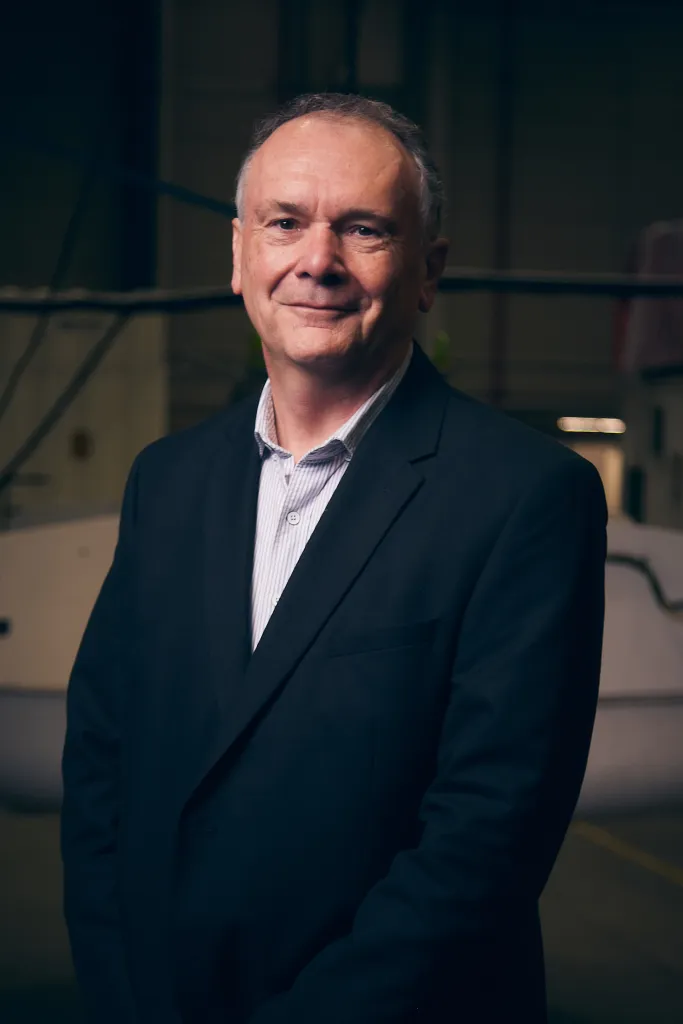
Nick Cutmore’s career as a CSIRO scientist saw him commercialise some 14 tech breakthroughs – mostly helping the coal, iron ore and gold mining industries – but now he’s focused on digging up something more dangerous … and meaningful.
The 70-year-old has left the government research agency where he’s spent his career to focus on the new company, MagnaTerra Technologies. “This is the last company that I will ever form,” Cutmore says. “And I want it to matter.”
MagnaTerra was created in July this year out of a merger between two companies Dr Cutmore helped spin out – mining-tech company NextOre and humanitarian demining start-up MRead. They raised $11 million, valuing the merged entity at $150 million.
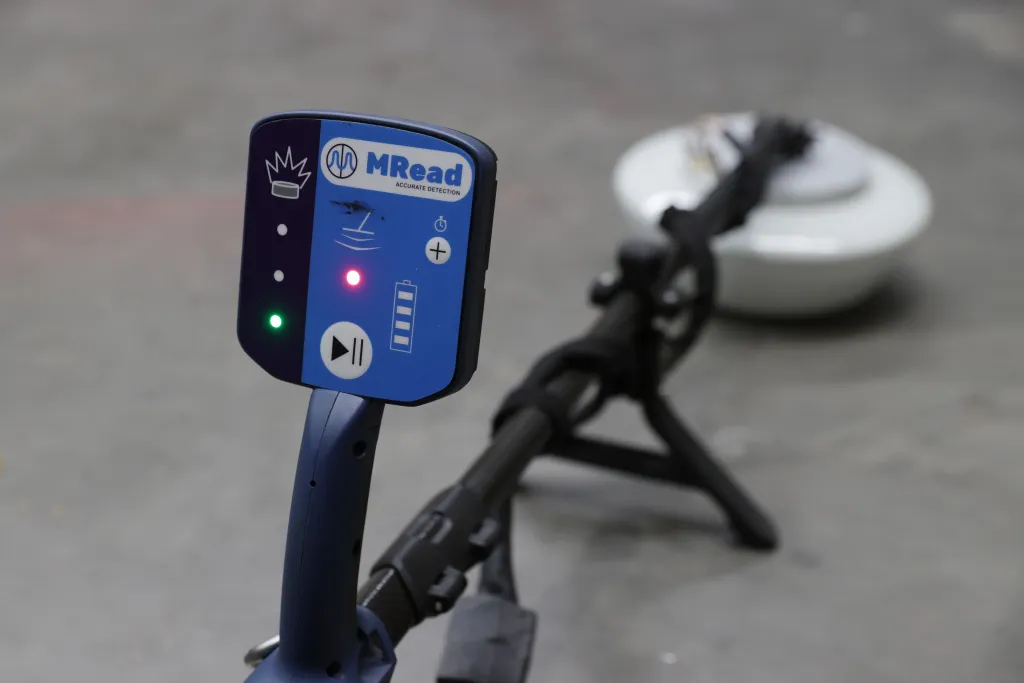
The common denominator between the miner and deminer was their use of world-first magnetic resonance technology.
NextOre’s tech has already changed how we mine copper, while MRead’s IP has been shown to be able to identify explosives underground, but has the potential to also detect drugs and bombs in suitcases, and immediately identify them.
Four-letter words
One of the most awarded research scientists in Australia, Cutmore is almost apologetic about his early career highlights, which include a Eureka Prize for national security and an Australia Prize for commercialisation. “They were in what is now a four-letter word, coal,” he says.
Four-letter words
One of the most awarded research scientists in Australia, Cutmore is almost apologetic about his early career highlights, which include a Eureka Prize for national security and an Australia Prize for commercialisation. “They were in what is now a four-letter word, coal,” he says.
There’s a picture of him standing next to then prime minister, Paul Keating, winning a prime ministerial prize for the coal analysis technology that was the basis for the company that is now Scantech.
His attempts to find good Australian companies to license CSIRO innovations met with mixed success, he says. “I was always stuck with two unattractive options back then, which were very, very large companies that understood technology but didn’t understand the industry you were applying it to. Or they really understood the industry, but had little capability to commercialise the technology. There was a big gap in the middle.” And it’s still there, he says.
“My career has been filled with lots of experiences of developing technology over very long periods. Licensing them. Sometimes they’re brilliantly successful, and sometimes they just fizzle away. If you’ve spent ten years building that technology, it’s pretty disappointing to see it fizzle.”
One of his successes was Chrysos Corporation, which used X-rays to assay the mineral content of dirt being dug up. When Chrysos listed on the ASX in 2022, Cutmore points out, the CSIRO made almost as much from that one deal as it had got from its more famous WiFi royalties, which netted about $430 million.
Chrysos has more than doubled in value since April, with a market capitalisation of more than $930 million at the time of going to press.
Conclusion
The future of mining is inextricably linked with innovation. Technologies like Magnetic Resonance sensing are not just improving existing processes; they are fundamentally reshaping what's possible. By embracing solutions that deliver both unparalleled speed in exploration and uncompromising safety in operation, the mining industry is stepping into a new era – one that is more efficient, responsible, and ultimately, safer for everyone involved.